RESCUE & EXTREME DRONE SQUAD — R.E.D.S.
Concept Overview
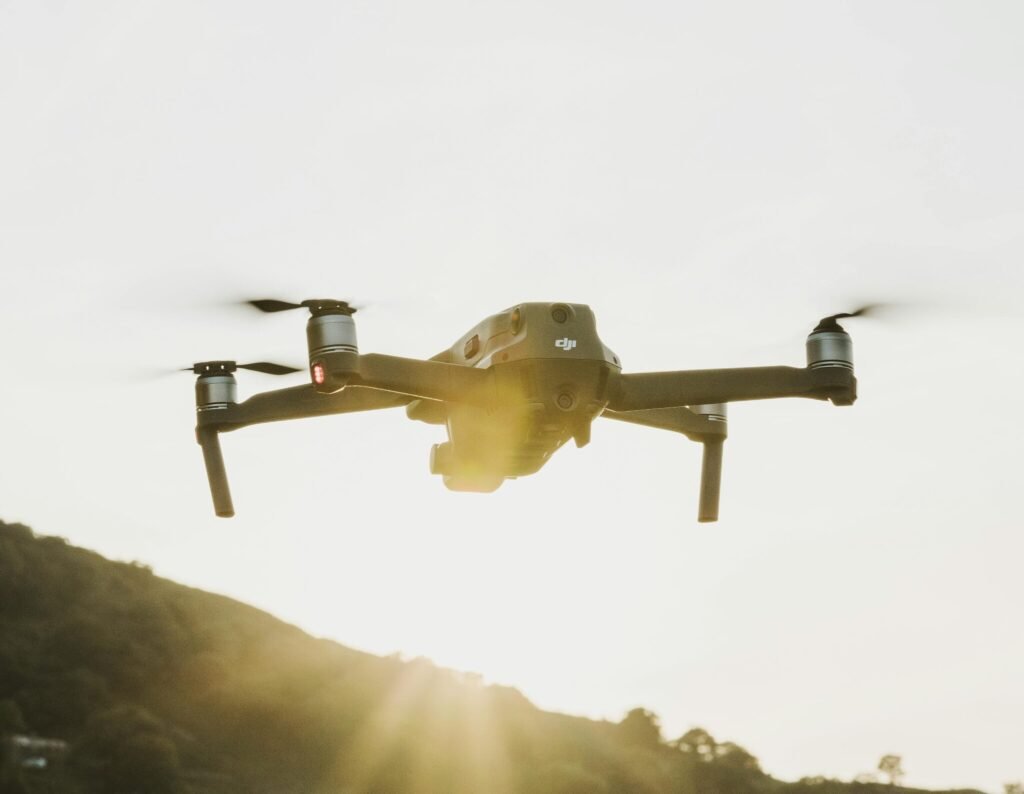
R.E.D.S. is a specialized drone operations platform built for communities and situations where conventional infrastructure fails. Not a delivery service — an aerial response system. Where there are no roads, where terrain is impassable, where weather grounds helicopters and time costs lives, R.E.D.S. deploys coordinated drone squads to reach the unreachable.
Problem
Millions of people live in or travel through areas where emergency response is measured in hours, not minutes. Mountain communities, remote villages, disaster zones, and wilderness areas are chronically underserved by systems built for urban infrastructure. A single helicopter costs thousands per hour to operate, requires a pilot, and can only cover one location at a time. When hikers go missing across a 50km mountain range, or a flood cuts off a village, or a wildfire traps a community — the response is slow, expensive, and limited.
Solution

R.E.D.S. operates coordinated fleets of autonomous drones – each mission-specific – deployed from regional base stations positioned at the edges of remote zones. Three core operation types:
1 – Emergency Supply Drop
Medical supplies, food, water, emergency equipment delivered to cut-off communities or individuals within minutes of a distress signal. No roads needed. No pilot required on-site.
2 – Search & Rescue Grid
When someone is lost, a single search covers one area. R.E.D.S. deploys a coordinated drone grid – multiple units sweeping vast terrain simultaneously with thermal imaging and GPS triangulation – compressing a 12-hour helicopter search into under 30 minutes.
3 — Disaster Response Relay
In the immediate aftermath of earthquakes, floods, or wildfires – when roads are destroyed and first responders can’t get in – R.E.D.S. drones establish a supply and communication relay into the affected zone while ground teams work to clear access.
Target Communities
Mountain villages and ski resorts in Alpine, Himalayan, and Andean regions. Remote island communities. Wilderness national parks. Disaster-prone coastal and flood zones. Military and humanitarian NGO operations.

Why Now
Drone endurance, payload capacity, and autonomous coordination software have crossed the threshold of practical viability in the last 24 months. Regulatory frameworks for beyond-visual-line-of-sight (BVLOS) operations are being established in the EU, US, and UK right now. The window to build the infrastructure and partnerships before this becomes mainstream is open – but not for long.